Five Simple Ways to Reduce Plastic Waste in Your Garden
Plastic waste has become a pervasive concern in many environments, including gardens. Over time, plastic fragments can accumulate in soil, potentially affecting its structure and the organisms that depend on it. Wildlife visiting or living in garden spaces may also be exposed to plastics through ingestion or entanglement. These factors have led many gardeners to consider ways to minimize their reliance on plastic materials. By examining everyday gardening practices, it becomes possible to identify areas where alternatives can be introduced without compromising the functionality or enjoyment of the space.
This article explores a range of practical approaches that can help reduce the amount of plastic waste generated in a garden setting. The methods described focus on material choices, cultivation techniques, and resource management. While each approach offers potential benefits, the outcomes depend on individual circumstances, local conditions, and the specific practices adopted. The goal is to provide information that allows gardeners to make informed decisions based on their own priorities and constraints.
Understanding that no single solution works universally, the following sections outline five areas where changes can be made. These suggestions are not intended as rigid recommendations but rather as starting points for those interested in exploring plastic reduction in their own gardening routines.
1. Choosing Biodegradable Containers for Starting Plants
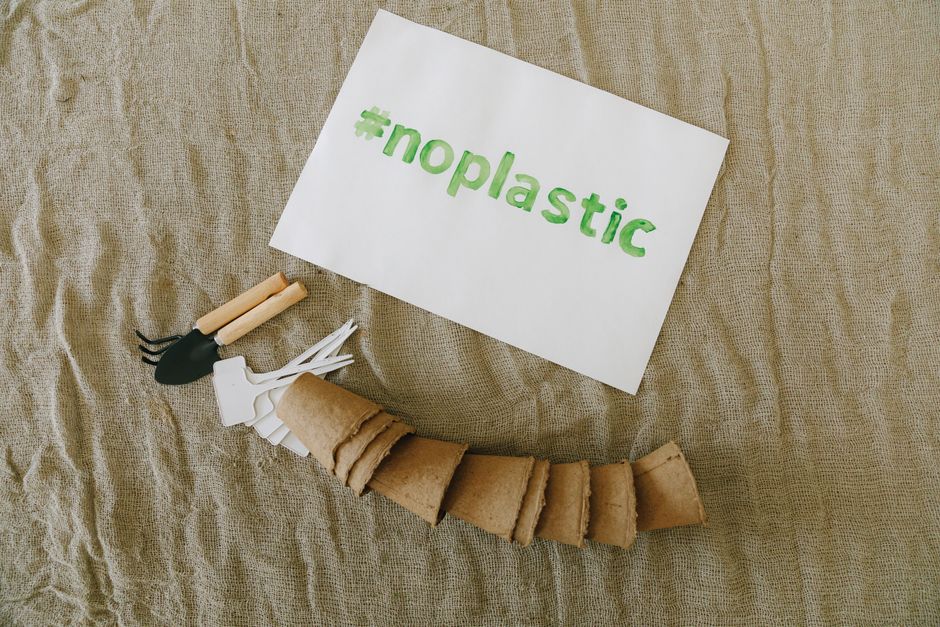
Many gardeners use plastic pots for seed starting and transplanting. While these pots are durable and reusable, they eventually wear out or accumulate over time. An alternative involves using containers made from biodegradable materials such as coir, peat, wood fiber, or rice hulls. These pots are designed to break down naturally when placed in soil, eliminating the need to remove the plant before planting and reducing the number of plastic items that must be discarded or stored.
The rate and completeness of biodegradation depend on factors such as soil moisture, temperature, and microbial activity. In some environments, the breakdown occurs within a few weeks, while in others it may take several months. Gardeners who choose this option should be aware that not all biodegradable pots perform identically. Some may require specific conditions to break down fully. Observing how a particular product behaves in local soil can help determine its suitability.
Another consideration is the source of the materials. Some biodegradable pots are made from peat, which raises concerns about the sustainability of peat extraction. Alternatives like coir (coconut fiber) or recycled paper offer different environmental profiles. By researching the origins and certifications of these products, gardeners can align their choices with broader sustainability goals.
2. Adopting Natural Approaches to Pest Management
Conventional pest control often involves plastic containers for chemical sprays or granular treatments. Reducing reliance on these products can lower the amount of plastic waste entering the garden. Natural pest management techniques focus on prevention and biological controls rather than synthetic inputs. For example, planting a diversity of species can attract beneficial insects that prey on common pests. Physical barriers such as row covers or netting made from natural fibers can also be used instead of plastic mesh.
Companion planting is another method that may help discourage pests without the need for plastic-based products. Certain plant combinations are thought to repel insects or mask the scent of target crops. While the effectiveness of companion planting varies depending on the species and local conditions, it offers a non-chemical approach that can be integrated with other strategies. Homemade sprays using ingredients like neem oil or garlic can be prepared in glass containers, further reducing plastic usage.
It is important to note that natural pest control methods often require more observation and adjustment than conventional sprays. Results may not be immediate, and some pest pressure may remain. Gardeners who adopt these techniques typically monitor their plants regularly and adapt their approach as needed. Over time, building a balanced ecosystem within the garden can contribute to lower pest populations and a reduced need for interventions of any kind.
3. Selecting Durable and Reusable Garden Tools
Many gardening tools and accessories are made from plastic, including handles, watering cans, hoses, and plant markers. While plastic tools are often lightweight and inexpensive, they can break or degrade after repeated use. Choosing tools made from metal, wood, or other durable materials can extend their lifespan and reduce the frequency of replacement. When tools are eventually discarded, metal and wood components are more likely to be recycled or to decompose in a landfill compared to plastic.
Investing in high‑quality tools may involve a higher initial cost, but the longer service life can offset that expense over time. Regular maintenance, such as cleaning and oiling metal parts or sealing wooden handles, also helps preserve functionality. For items like plant markers, alternatives include wooden stakes, slate tiles, or recycled metal tags. These can be written on with pencil or permanent marker and reused season after season.
Watering equipment is another area where plastic use can be reduced. Metal watering cans and natural fiber hoses are available, though they may require more care to prevent rust or drying out. Drip irrigation systems made from recycled rubber or silicone offer another option, though their plastic content varies. Evaluating the materials and construction of garden products before purchasing can help identify those with lower plastic footprints.
4. Managing Garden Waste Without Plastic Bags
Yard waste such as grass clippings, leaves, and pruned branches is often collected in plastic bags for disposal or composting. Replacing these bags with reusable containers, paper bags, or directly composting the material can significantly cut down on plastic waste. Many municipalities accept yard waste in paper bags or open containers, and home composting systems can process most organic debris on‑site.
Composting not only eliminates the need for plastic collection bags but also produces a valuable soil amendment. Depending on the composting method used—such as a bin, pile, or worm system—the process can be adapted to different garden sizes and climates. Turning yard waste into compost reduces the volume of material sent to landfills and provides nutrients that support plant growth. Gardens that generate large amounts of organic matter may benefit from a dedicated composting area where branches and leaves break down over time.
For those who cannot compost at home, community composting programs or curbside collection services that accept organic waste in paper bags offer alternatives. Some garden centers also accept certain types of plant waste for recycling. Investigating local options can reveal ways to manage garden debris without relying on single‑use plastic bags. Even small changes, such as using a reusable tarp to collect leaves, can reduce plastic consumption over the course of a season.
5. Saving Seeds and Using Minimal Packaging
Seed packets are often made from paper, but many include a plastic lining or are sold in plastic display racks. An effective way to reduce this source of waste is to save seeds from plants grown in the garden. Many common vegetables, herbs, and flowers produce viable seeds that can be collected, dried, and stored for the following season. This practice not only cuts down on packaging but also allows gardeners to select varieties that perform well in their local conditions.
For seeds that are purchased, choosing suppliers that use paper envelopes or compostable packaging can further reduce plastic inputs. Some companies offer seeds in bulk or in reusable containers, although availability may vary. When storing saved seeds, small paper envelopes or glass jars work well and do not introduce additional plastic. Labeling containers with a pencil or marker on tape avoids the need for plastic tags.
Seed saving requires attention to timing and proper drying to prevent mold or loss of viability. The process differs for each plant species, but basic techniques are well documented. Gardeners new to seed saving can start with easy‑to‑harvest crops like beans, tomatoes, or lettuce. Over time, this approach can contribute to a self‑sustaining cycle that reduces both plastic waste and the cost of annual plant purchases.