Prepare with Minimal Gear
Choose quiet clothing, binoculars, and a notebook to avoid disturbing the environment.
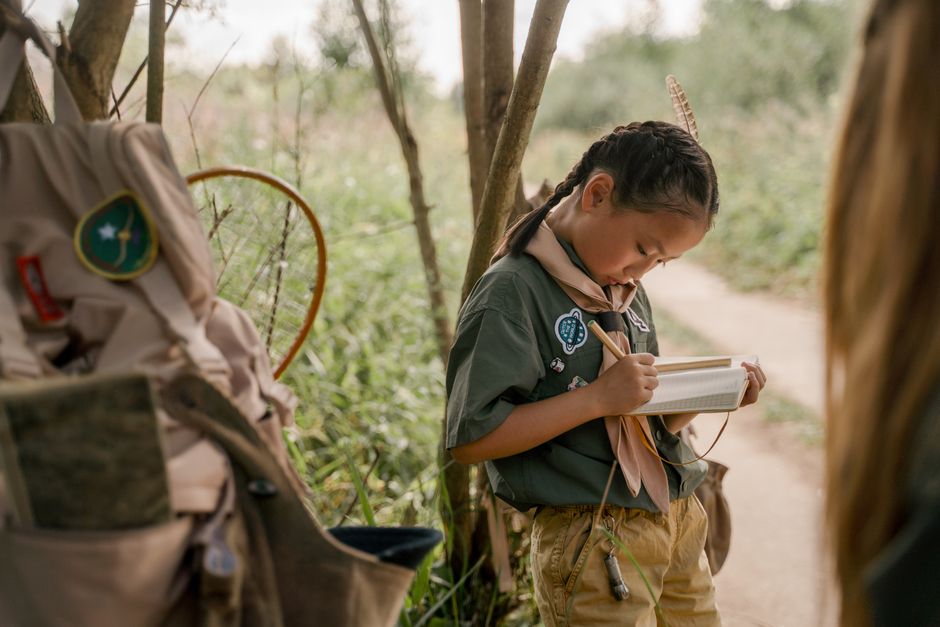
At Wild Lens, we believe that observing wildlife should leave no trace. Our methodology is built on three pillars: careful field observation, active participation in citizen science, and consistent use of low-impact practices. By training our eyes and ears to notice subtle behaviors without approaching too closely, we gather meaningful data while respecting the animals' space. We document sightings using standardized protocols and share observations with research platforms. This approach transforms a simple walk in nature into a contribution to ecological understanding—all while keeping the well-being of wildlife and habitats at the forefront.
Choose quiet clothing, binoculars, and a notebook to avoid disturbing the environment.
Use natural cover and patience to watch without altering animal behavior.
Log species, behavior, and habitat notes through citizen science platforms.
Review findings privately and contribute anonymized data to research networks.
Wild Lens emphasizes techniques that prioritize the subject over the observer. We teach methods such as scanning with peripheral vision, listening for alarm calls, and using the 'rule of thumb'—if an animal changes its behavior because of you, you are too close. Our field guides encourage note-taking of environmental conditions rather than approaching for a better view. By adopting a slow, mindful pace and sticking to designated trails, we reduce stress on wildlife. These low-impact habits form the foundation of responsible nature observation.
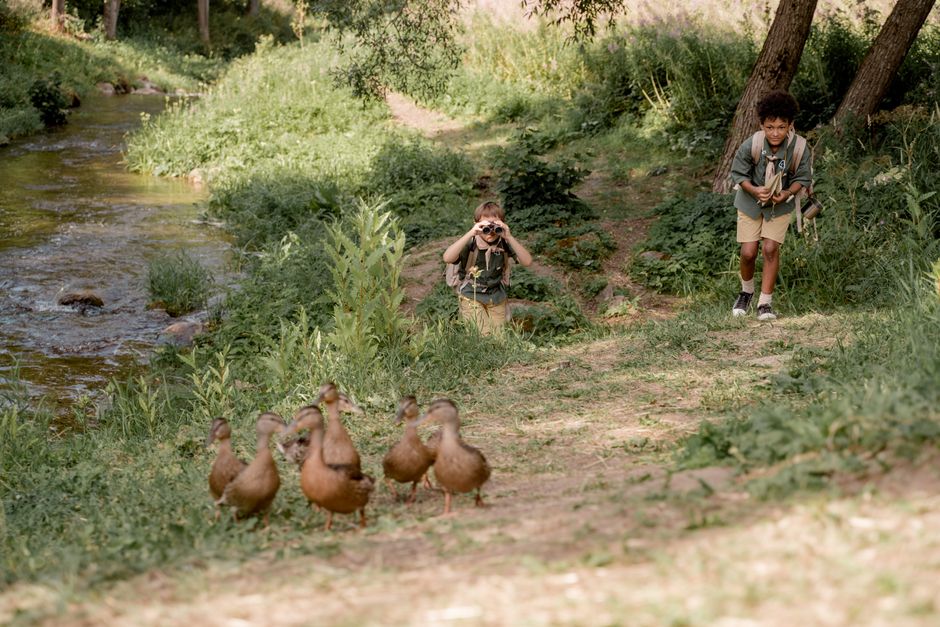
Observation without interference is the highest form of respect. Wild Lens promotes a mindset where the observer becomes part of the landscape, not a disturbance. Every sighting is a privilege, and our techniques are designed to ensure that privilege does not come at the cost of the animal's well-being. This principle guides our field methods, our data-sharing ethics, and our commitment to citizen science.
Each edition delivers field notes on local flora and fauna, along with simple eco-friendly habits to try at home.